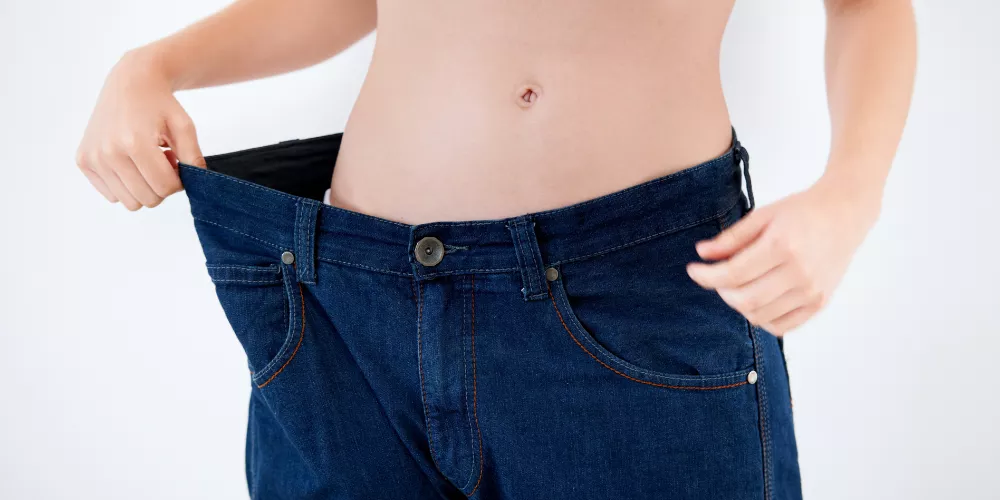
How can I maintain body fitness with small daily changes?

Many people think body fitness means hard workouts and strict diets. That is not true. Small daily habits can make a big change over time. A short walk, more water, and better sleep can help your body feel stronger and healthier.
Busy schedules also make fitness hard. Many Americans sit for long hours at work or school. Fast food and screen time can also hurt health. Over time, this may lead to weight gain, low energy, and stress.
The good news is that simple changes work well. You do not need expensive gym gear or long workout plans. You only need a few smart habits each day.
This guide will show easy ways to stay fit with small daily changes. You will learn how to move more, eat better, sleep well, and stay active at home or work. These tips are simple, safe, and easy for most people to follow every day.
How can I maintain body fitness with small daily changes?
Small daily habits can improve strength, energy, sleep, and mood. Tiny steps done every day often work better than short-term fitness plans or hard workout routines.
Start Your Day With Simple Movement
Many people wake up and go straight to their phones or computers. This can make the body feel stiff and tired. Morning movement helps your muscles wake up and improves blood flow.
You do not need a hard workout. Even 10 minutes of movement can help.
Easy morning ideas include:
- Stretching your arms and legs
- Walking around the house
- Doing jumping jacks
- Taking the stairs
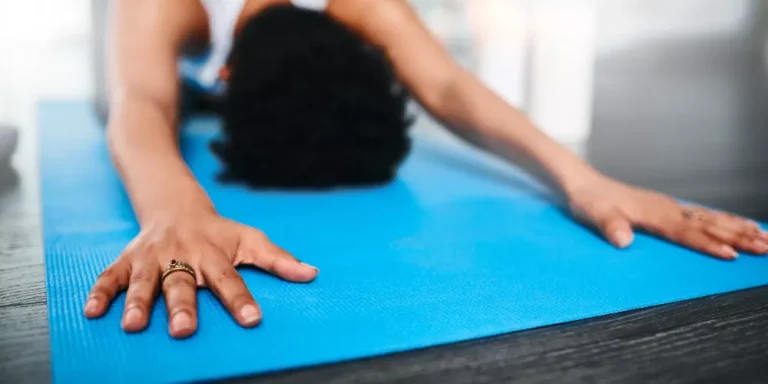
- Light yoga or simple balance moves
Morning movement can also improve focus during school or work. Many fitness coaches say active mornings help people stay healthier long term.
A friend of mine started walking outside for 15 minutes every morning before work. After one month, he noticed better energy and fewer back aches. He also slept better at night.
Try building one morning habit first. Do not change everything at once. Small habits are easier to keep.
You can also keep workout clothes near your bed to save time. Some people enjoy using music while stretching or walking.
A related guide about “easy home workouts for beginners” could fit well here for readers who want extra ideas.
Drink More Water During The Day
Water helps every part of the body. It supports muscles, joints, skin, and digestion. Many people feel tired simply because they do not drink enough water.
Sugary drinks can add extra calories and may lead to weight gain. Water is usually the better choice.
Simple ways to drink more water:
- Carry a reusable water bottle
- Drink one glass after waking up
- Have water before meals
- Add lemon slices for flavor
- Replace one soda each day with water
People often confuse thirst with hunger. Drinking water may help stop extra snacking.
In hot weather or after exercise, your body needs even more fluids. Athletes and active workers often lose water through sweat.
One office worker shared that she replaced afternoon soda with cold water for two weeks. She felt less tired during meetings and stopped getting headaches so often.
Children and teens should also build healthy water habits early. Parents can remind kids to bring water bottles to school or sports practice.
If plain water feels boring, try fruit-infused water or sparkling water without added sugar.
Building hydration habits slowly makes them easier to keep for years.
Add More Walking To Your Routine
Walking is one of the easiest fitness habits for most people. It does not require special skills or expensive equipment.
Walking helps:
- Heart health
- Weight control
- Mood
- Muscle movement
- Stress levels
Many Americans sit too much during the day. Long sitting times may increase health problems over time.
Easy ways to walk more:
- Park farther away from stores
- Walk during phone calls
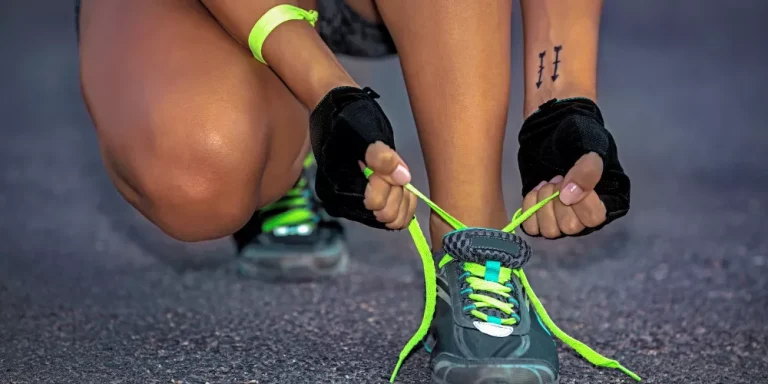
- Take short lunch walks
- Walk the dog longer
- Use stairs instead of elevators
You do not need to hit a huge step goal right away. Even short walks matter.
Research often shows that regular walking supports healthy blood pressure and improves energy levels. Walking outside may also reduce stress because fresh air and sunlight help mood.
A mother of two shared that she started taking family walks after dinner three nights a week. After several months, her family spent less time on screens and felt more active together.
Walking can also become social time. Friends or family members can join you. This makes the habit easier to enjoy and continue.
Some people use fitness trackers to stay motivated. Others simply track walking time on their phones.
A related guide about “best walking tips for weight loss” could naturally fit here.
Make Small Changes To Your Meals
Healthy eating does not mean giving up all favorite foods. Small food changes are easier to follow long term.
Start with simple goals like:
- Eating more fruits
- Adding vegetables to meals
- Choosing grilled foods instead of fried foods
- Eating smaller portions
- Limiting sugary snacks
Protein, fiber, and healthy fats can help you stay full longer. This may reduce overeating later.
Simple healthy snack ideas:
- Apple slices
- Nuts
- Yogurt
- Carrots
- Peanut butter with fruit
Meal planning can also help busy families. Preparing food early saves time during the week.
One teacher shared that she packed healthy lunches instead of buying fast food every day. After two months, she noticed more energy during work hours and saved money too.
Do not try to change every meal overnight. Pick one healthy food habit first.
Fast food should not become the main part of your diet. Eating homemade meals more often usually supports better health.
Reading food labels may also help you avoid too much sugar, salt, and unhealthy fats.
Healthy eating works best when it feels realistic and simple.
Improve Sleep For Better Fitness
Sleep is a major part of body fitness. Poor sleep can affect energy, mood, weight, and focus.
Many people try hard workouts but ignore sleep habits. The body needs rest to recover and grow stronger.
Good sleep habits include:
- Going to bed at the same time
- Turning off screens before bed
- Keeping the room cool and dark
- Avoiding heavy meals late at night
- Limiting caffeine in the evening
Teens and adults both need enough sleep for healthy bodies and minds.
Lack of sleep may increase stress and unhealthy cravings. Tired people often move less during the day.
One college student shared that he stayed up late gaming most nights. After setting a regular sleep schedule, he felt more active during classes and workouts.
Sleep also supports muscle repair after exercise. Even light activity feels harder when the body is exhausted.
Try making one bedtime change at a time. Small sleep improvements can lead to better daily fitness habits.
Many experts suggest keeping phones away from the bed to reduce distractions at night.
Better sleep often leads to better food choices, more movement, and improved focus during the day.
Stay Active Even At Home Or Work
You do not need a gym to stay active. Small movements during the day still help your body.
Many jobs require long sitting hours. Students also spend time sitting in class or using computers.
Simple activity ideas at home or work:
- Stretch every hour
- Stand during phone calls
- Do squats during breaks
- Walk around the room
- Use light dumbbells at home
Housework can also count as movement. Cleaning, gardening, and carrying groceries help the body stay active.
One remote worker placed a timer on her desk to remind herself to stand every hour. After several weeks, her neck pain became less common.
Fitness is not only about workouts. Daily movement matters too.
Families can also build activity into daily life by playing outside, biking, or dancing together.
Short exercise sessions still help when done often. Even five-minute movement breaks can improve circulation and energy.
People who stay active during the day often feel less stiff and tired.
The key is consistency. Small actions repeated daily can support long-term body fitness and healthy living.
Frequently Asked Questions
Many people want simple answers about daily fitness habits. These common questions can help beginners build healthy routines without stress or confusion.
How much exercise do I need each day?
Most people should aim for about 30 minutes of movement daily. Walking, stretching, biking, or home workouts all help improve body fitness and overall health.
Can small lifestyle changes really improve fitness?
Yes. Small habits done every day can improve energy, weight control, sleep, and heart health. Simple changes are often easier to keep long term than strict plans.
What is the easiest fitness habit to start today?
Walking is one of the easiest habits for beginners. It is free, simple, and works for many fitness levels. Even short daily walks can help health.
Conclusion
Body fitness does not need to feel hard or confusing. Small daily changes can improve health over time. Drinking more water, walking often, eating better foods, and sleeping well all support a stronger body.
The most important step is staying consistent. Many people quit because they try to change everything too fast. Simple habits are easier to follow for months and years.
Remember that fitness is not only about weight. Good fitness also means better energy, stronger muscles, improved mood, and healthier daily living.
One helpful expert tip is to track one habit at a time. You can mark your progress on a calendar or phone. Small wins help build motivation.
Start with one easy change today. Maybe take a short walk, drink another glass of water, or go to bed earlier tonight. Small actions now can lead to a healthier future.